


Food safety is a serious concern for households across the United States, and news about a chicken listeria recall can quickly worry consumers. Listeria contamination in chicken products poses health risks, especially for pregnant women, older adults, and people with weakened immune systems. Understanding recalls, knowing what products are affected, and learning how to respond helps protect your family.
This complete guide explains the chicken listeria recall in clear, simple language for U.S. consumers, covering health risks, safety steps, and frequently asked questions.
What Is a Chicken Listeria Recall?

A chicken listeria recall happens when chicken products are removed from stores because they may be contaminated with Listeria monocytogenes. This bacterium can survive and grow in cold environments, including refrigerators, which makes contaminated chicken especially dangerous.
In the U.S., recalls are issued by food manufacturers in coordination with federal agencies to prevent illness before it spreads.
Why Listeria in Chicken Is Dangerous
Listeria causes an infection called listeriosis, which can be mild for healthy adults but severe for high-risk groups. Unlike many bacteria, listeria can grow at refrigerator temperatures, increasing the risk from ready-to-eat or cooked chicken products.
Common symptoms include:
- Fever and chills
- Muscle aches
- Nausea or diarrhea
- Headache or confusion
In severe cases, listeriosis can lead to hospitalization or life‑threatening complications.
How Chicken Listeria Recalls Are Identified

Most chicken listeria recalls begin with routine testing by manufacturers or inspections by food safety authorities. Sometimes, reported illnesses are traced back to a specific chicken product, triggering an investigation and recall.
Modern tracking systems help officials identify affected batches, production dates, and distribution areas quickly, limiting public exposure.
Common Chicken Products Involved in Recalls
A chicken listeria recall may include:
- Fully cooked chicken meals
- Frozen chicken products
- Rotisserie chicken
- Ready-to-eat chicken salads
These items are especially risky because consumers may eat them without reheating thoroughly.
How to Check If Your Chicken Is Recalled

U.S. consumers should always check product labels at home. Look for:
- Brand name
- Product description
- Establishment number
- Production or “best by” date
If your product matches recall details, do not consume it.
What to Do If You Have Recalled Chicken at Home
If you find recalled chicken in your refrigerator or freezer:
- Do not eat or taste the product
- Place it in a sealed plastic bag
- Dispose of it safely or return it to the store
- Clean and disinfect any surfaces it touched
These steps help prevent cross‑contamination in your kitchen.
Safe Chicken Handling Tips to Prevent Listeria
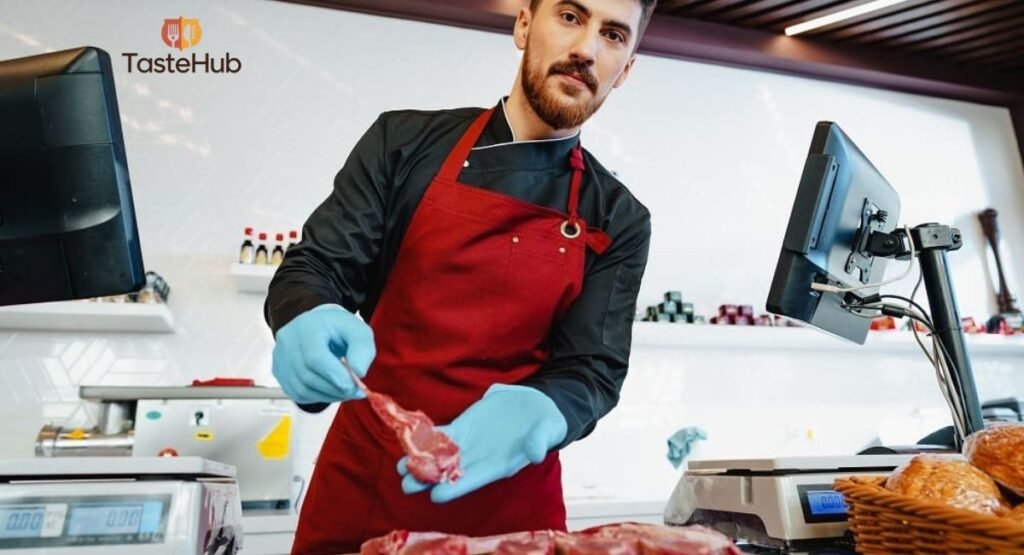
Even when there is no recall, proper food safety habits are essential:
- Cook chicken to an internal temperature of 165°F
- Wash hands before and after handling raw poultry
- Keep raw chicken separate from ready-to-eat foods
- Clean cutting boards and utensils thoroughly
- Refrigerate leftovers promptly
These practices reduce the risk of foodborne illness.
Why Chicken Listeria Recalls Matter to U.S. Families
Chicken is one of the most consumed proteins in the United States. A chicken listeria recall can impact millions of households, making awareness critical. Recalls show that food safety monitoring systems are working to protect public health.
Staying informed allows families to continue enjoying chicken safely as part of a balanced diet.
How Often Do Chicken Listeria Recalls Happen?
Chicken listeria recalls are not extremely common, but they do occur each year in the U.S. Improved testing methods mean contamination is detected faster, helping prevent widespread illness.
This does not mean chicken is unsafe overall—it means safety systems are actively protecting consumers.
Frequently Asked Questions (FAQs)
What is a chicken listeria recall?
A chicken listeria recall occurs when chicken products are removed from the market due to possible contamination with listeria bacteria.
Who is most at risk from listeria infection?
Pregnant women, older adults, infants, and people with weakened immune systems face the highest risk.
Can cooking chicken kill listeria?
Proper cooking can kill listeria, but recalled chicken products should never be eaten, even if cooked.
What should I do if I bought recalled chicken?
Do not consume it. Dispose of it safely or return it to the store and sanitize any surfaces it contacted.
Is chicken safe to eat after a recall?
Yes, chicken is safe if it is not part of the recall and is handled and cooked properly.
Final Thoughts for U.S. Consumers
A chicken listeria recall is a reminder that food safety starts at home. By staying updated, reading labels carefully, and following safe handling practices, you can protect yourself and your family while maintaining confidence in the U.S. food supply.

Welcome to TasteHub! I’m Zain Bhatti, an AI-Powered SEO and Content writer with 3 years of experience.
I help websites rank higher, grow traffic, and look amazing. My goal is to make SEO and web design simple and effective for everyone.
Let’s achieve more together
